
Connect With Us: facebook twitter
Loading
New Publications
Dhingra, L., et al. (2013). Epidemiology of pain among outpatients in methadone maintenance treatment programs. Drug and Alcohol Dependence


Renewal of CDUHR: Years 16-20


We are pleased to announce the renewal of CDUHR. The theme in this renewal period will be "Discovery to Implementation and Back: Research Translation for the HIV/Substance Use Epidemic." Center efforts will focus on enhancing the translation and implementation of investigators' research findings to maximize public health impact. In addition, CDUHR will continue to address the emerging challenges of the HIV/AIDS epidemic.


CDUHR provides a research infrastructure in support of over 50 investigators from four institutions: New York University, the National Development and Research Institutes, Inc., Beth Israel Medical Center and the John Jay College of Criminal Justice.


The Center renewal allows for the addition of two new cores:

  • Comparative Effectiveness Research Core, directed by R. Scott Braithwaite, MD, MSc
  • Pilot Project and Mentoring Core, directed by Vincent Guilamo-Ramos, PhD

Four additional cores in CDUHR are:

  • Transdisciplinary Theoretical Synthesis Core, directed by Samuel Friedman, PhD
  • Transdisciplinary Research Methods Core, directed by Holly Hagan, PhD
  • Infectious Diseases and Biomedical Core, directed by David Perlman, MD
  • Administrative Core, directed by Sherry Deren, PhD

CDUHR has been continually funded since 1998, and is the first center for socio-behavioral study of HIV and substance use in the United States.
 
Fact Sheets

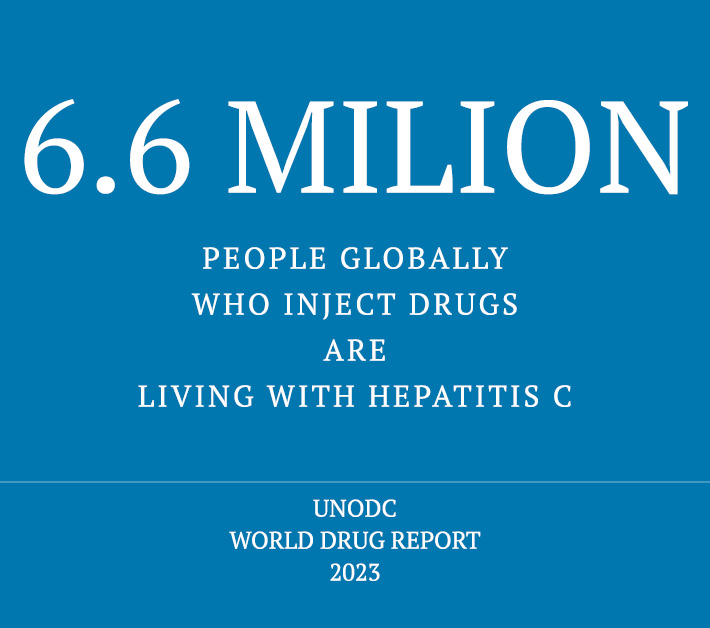
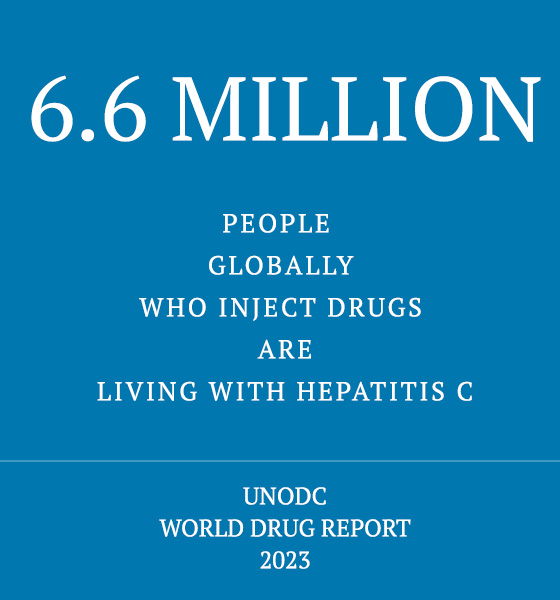
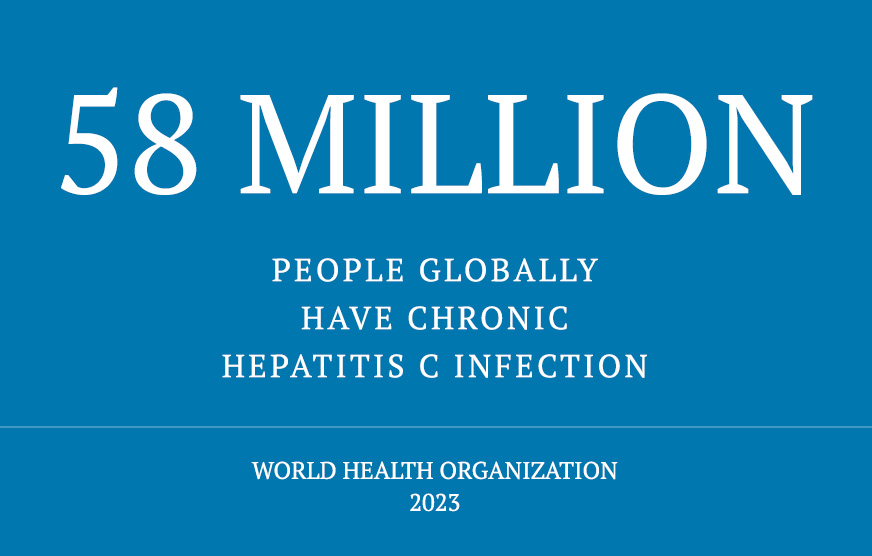
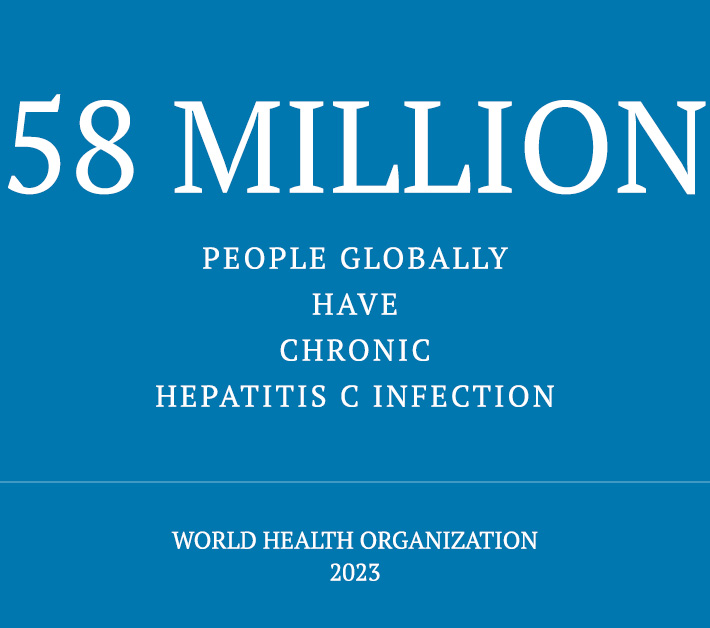
Systematic Review and Meta-Analysis Indicates that Hepatitis C Infection Can be Prevented among People Who Inject Drugs

Combination prevention strategies are associated with significant reductions in HCV incidence in PWIDs. Read more about the study and policy recommendations for HCV prevention.
----------------

Racial/Ethnic Disparities in HIV Rates Among Persons Who Inject Drugs

A systematic review and meta-analysis shows that persons who inject drugs and belong to racial/ethnic minority groups are twice as likely to be HIV positive than the majority group. These disparities are particularly high in the U.S. and China. Read more about these findings and its implications for HIV prevention.